About The Key
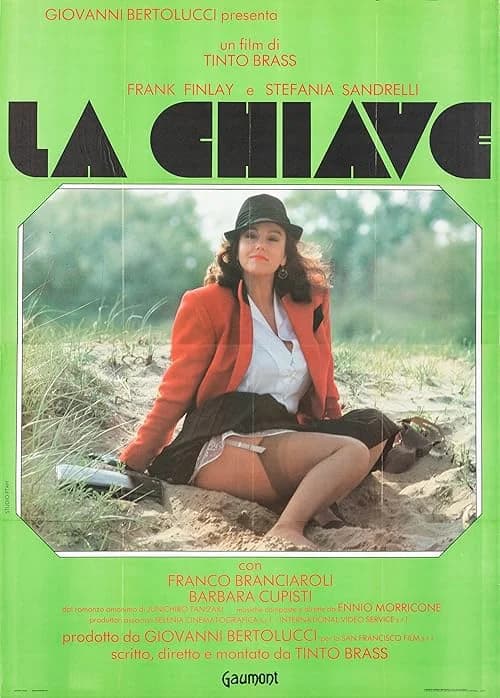
Tinto Brass's 1983 Italian drama 'The Key' (original title 'La chiave') presents a provocative exploration of marital intimacy set against the backdrop of 1940s Venice. The film follows a retired art critic and his significantly younger wife as they navigate the fading passion in their twenty-year marriage. In a desperate attempt to revive their relationship, the professor begins documenting his sexual fantasies in a private diary, hoping this unconventional method will help his wife overcome her inhibitations and rediscover their connection.
Frank Finlay delivers a compelling performance as the intellectual professor, while Stefania Sandrelli brings complexity to the role of the conflicted wife. The Venetian setting provides a lush, atmospheric backdrop that contrasts beautifully with the couple's intimate struggles. Director Tinto Brass, known for his erotic cinema, approaches the subject with a blend of sensuality and psychological depth that was controversial for its time.
While the film's IMDb rating of 5.4 suggests mixed reception, 'The Key' remains noteworthy for its bold examination of desire, communication, and the lengths people go to preserve love. The historical context adds layers to the narrative, making it more than just a relationship drama. Viewers interested in European cinema, psychological dramas, or films that challenge conventional portrayals of marriage will find 'The Key' a thought-provoking watch that continues to spark discussion about sexuality and relationships decades after its release.
Frank Finlay delivers a compelling performance as the intellectual professor, while Stefania Sandrelli brings complexity to the role of the conflicted wife. The Venetian setting provides a lush, atmospheric backdrop that contrasts beautifully with the couple's intimate struggles. Director Tinto Brass, known for his erotic cinema, approaches the subject with a blend of sensuality and psychological depth that was controversial for its time.
While the film's IMDb rating of 5.4 suggests mixed reception, 'The Key' remains noteworthy for its bold examination of desire, communication, and the lengths people go to preserve love. The historical context adds layers to the narrative, making it more than just a relationship drama. Viewers interested in European cinema, psychological dramas, or films that challenge conventional portrayals of marriage will find 'The Key' a thought-provoking watch that continues to spark discussion about sexuality and relationships decades after its release.